
Winner
Teodora Dobrotă
- Category
- Sculpture-Installation
- Edition
- 2026
Biography
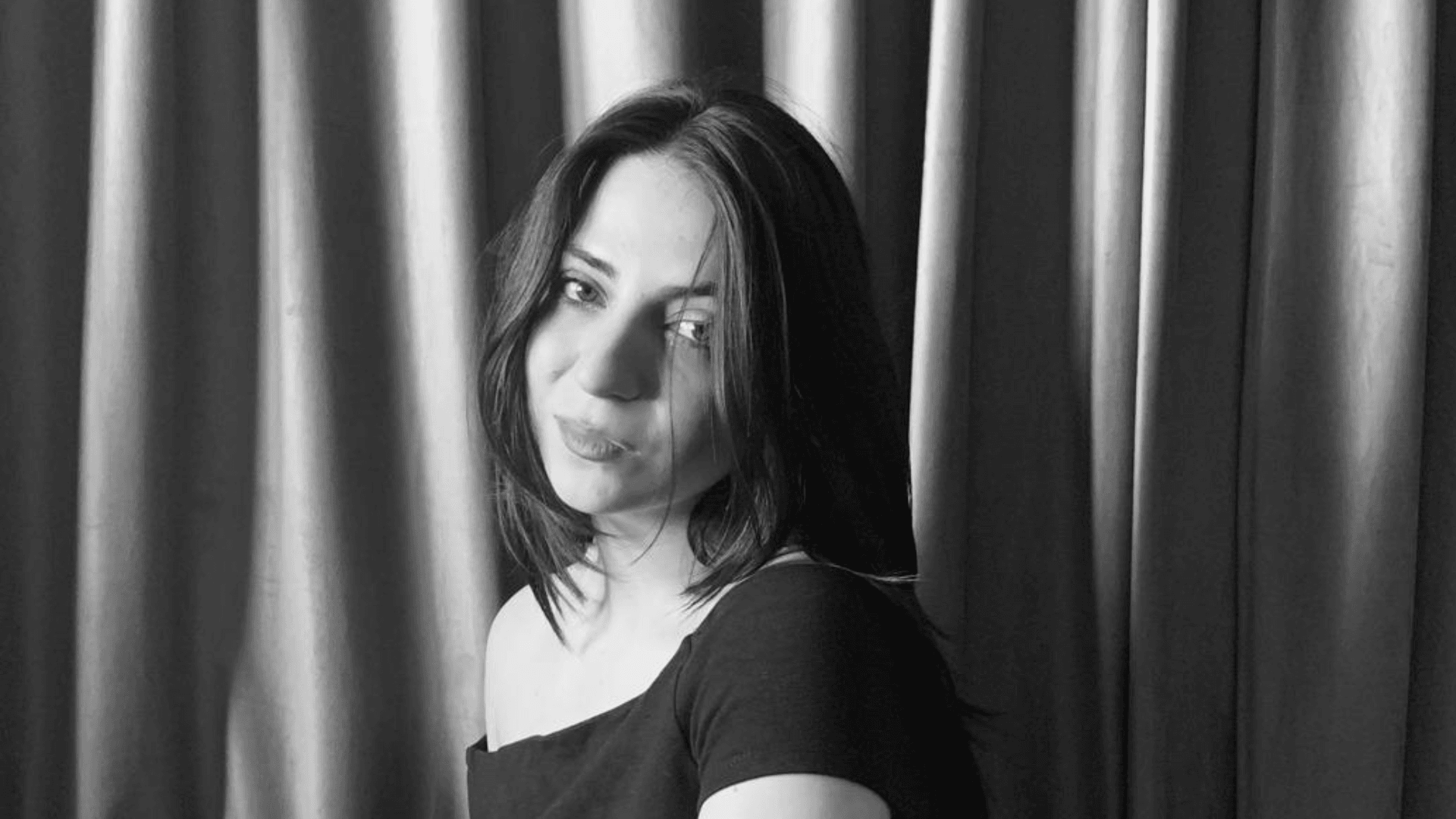
Teodora Dobrotă is an architect and visual artist working across design, installation, and mixed media. Her practice investigates memory as a spatial and collective process, with a particular interest in how histories settle into bodies, materials, infrastructures, and built environments. She is drawn to fragile sites, hidden labor, and forms of care that remain essential to a place even when it no longer carries their traces. Through her work, she explores the possibility of constructing spatial narratives that resurface the tensions and shared acts through which we reimagine and inhabit such fragments of the world.
Jury's Motivation
The 'Improbable Kiss' project stood out for its ability to build a subtle, contemporary dialogue with the architectural context of the space (the MARe terrace). We appreciated how the textile intervention reinterprets themes tied to the Brâncuși universe (rhythm, essentialization of form, the sculpture-architecture relationship), proposing a sensitive and accessible site-specific work. There's a balance between the material simplicity of the braided rope and the complexity of the meanings it generates, between the constructive gesture and the metaphor of encounter concentrated in the image of the central knot — which makes it the winning project. (Dan Vezentan, mentor)
Project Description
"Improbable Kiss"
The project proposes a site-specific intervention made of textile material (rope, braiding), created in dialogue with the museum structure's two existing pillars, which the installation symbolically and rhythmically continues, suggesting an unclosed portico — evoked rather than fully affirmed. Its relevance to the "Unboxing Brâncuși" Open Call lies in the oversized knot at the center of the work, which condenses the tension of the composition and points directly to the Brâncușian motif of the kiss: two forms drawn close, bound, merged into an essentialized sculptural unity, an indirect echo of the Kiss Gate, where connection and passage become both structure and symbol. The usual relationship between support and weight is reversed — the base appears to hang from the ceiling rather than support it — and the work enters into dialogue with the Brâncușian tradition through rhythm, verticality, and essentialization, without literal quotation, following the way Brâncuși transforms archetypal and vernacular forms into concentrated plastic presences.
Gallery
Works and visual materials from the project.